Brazilian Jiu Jitsu guides
Longer pieces about training rather than about a single technique — what to expect, what to measure, and how the parts of a Brazilian Jiu Jitsu game fit together. Written to stay true for years rather than to be current this month.
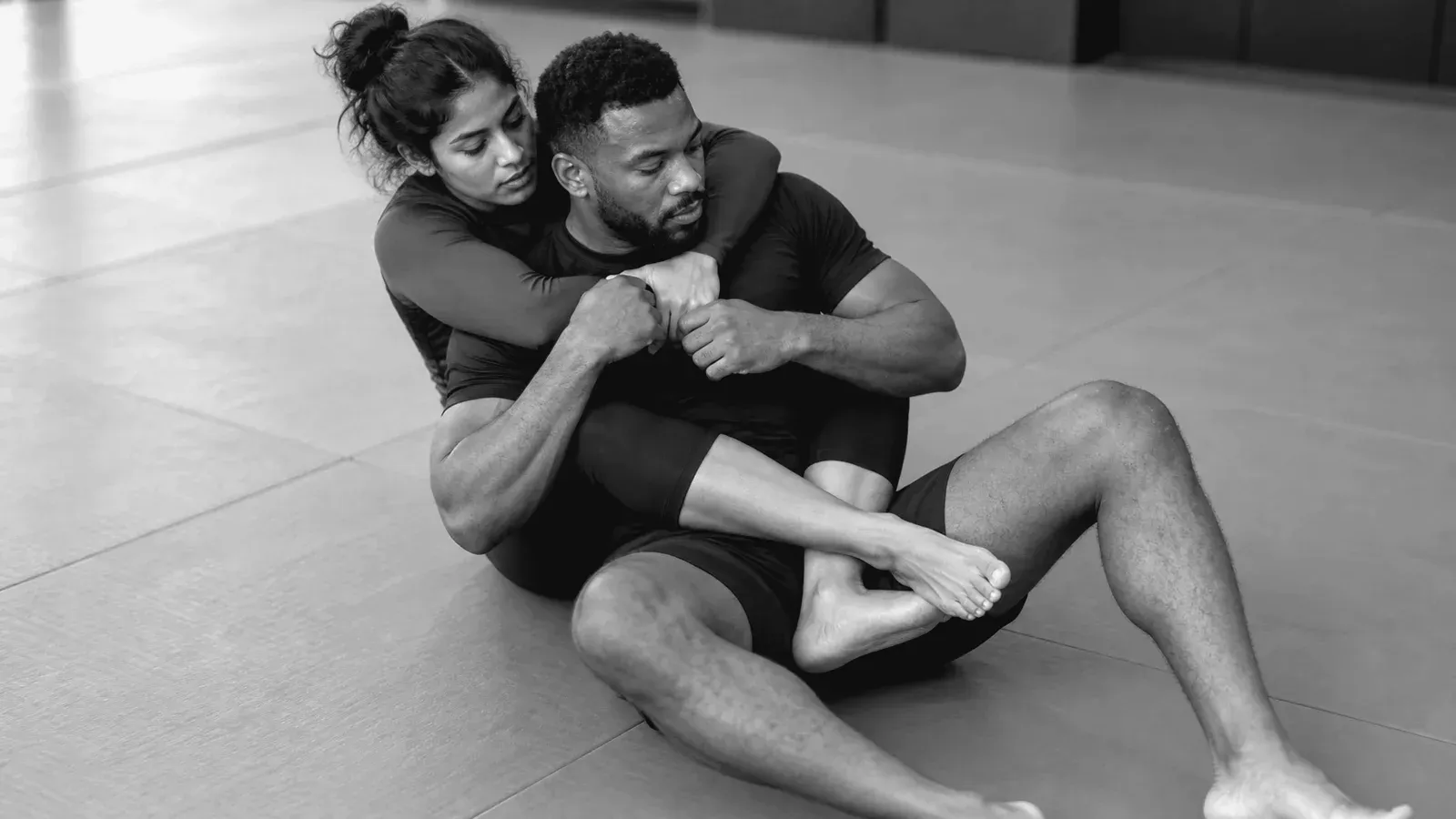
BJJ Back Control: Seatbelt, Hooks and Retention
Learn the difference between back control and back mount, keep upper-body and hip connections and practise one supported retention branch.
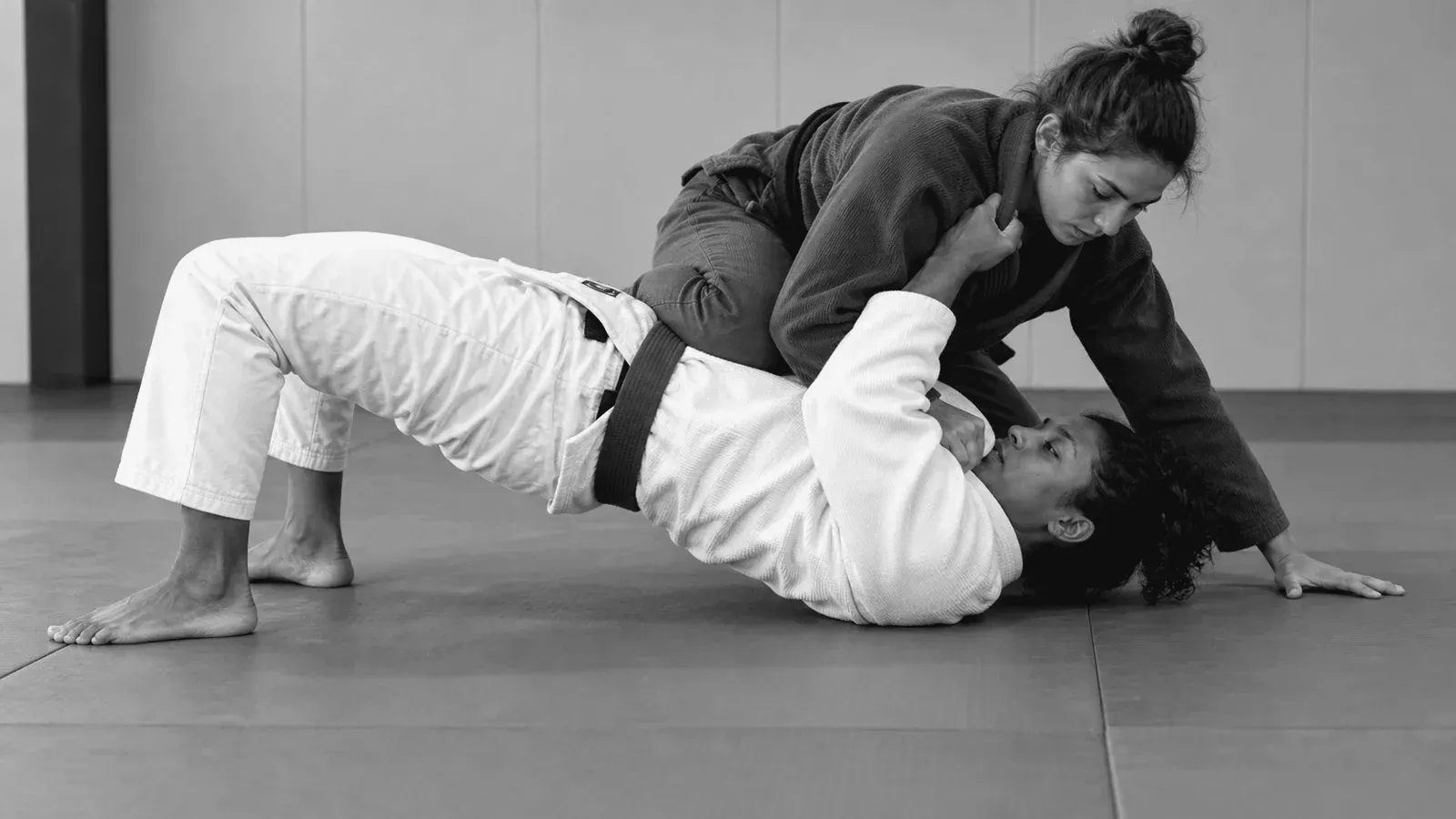
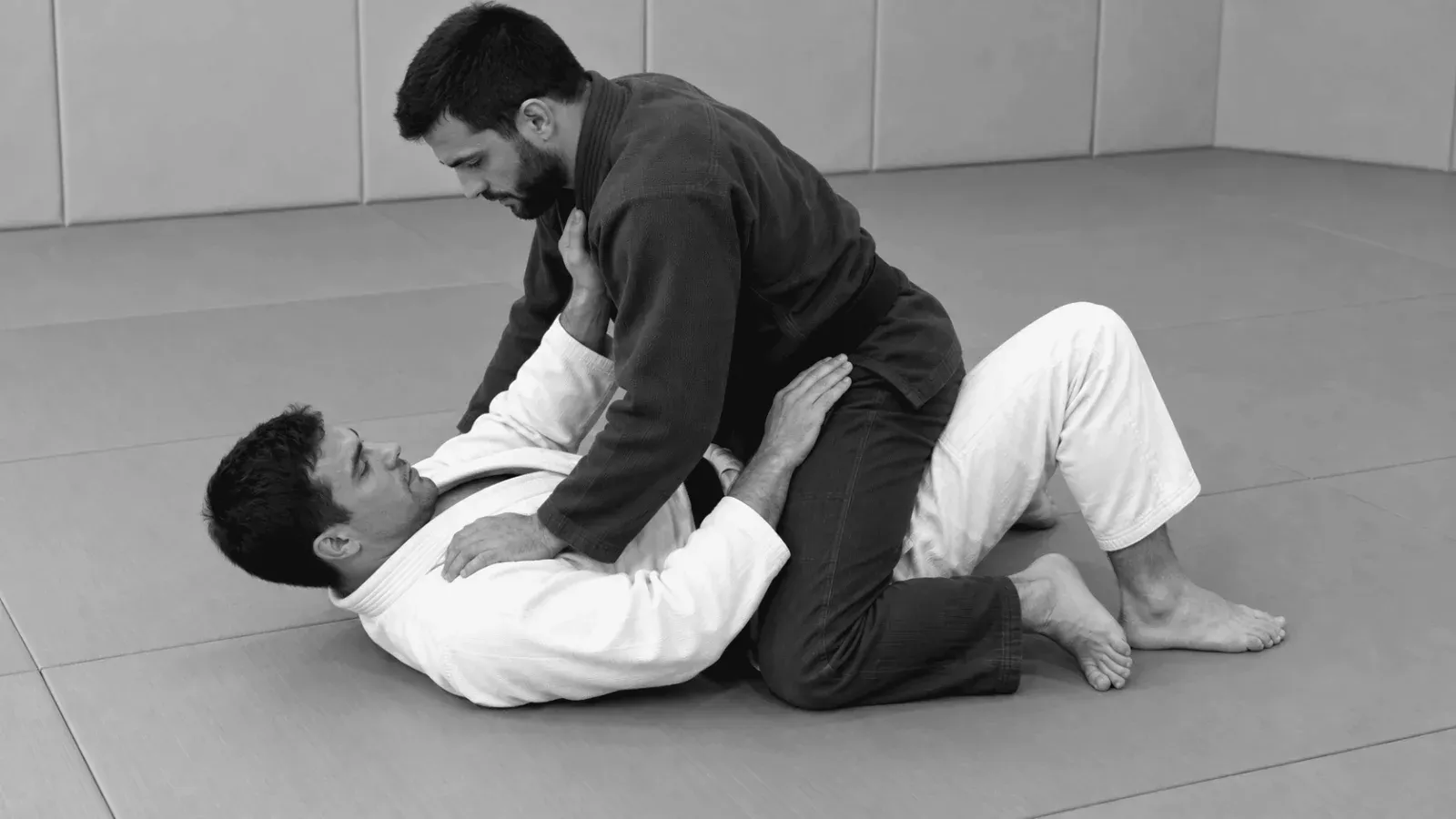
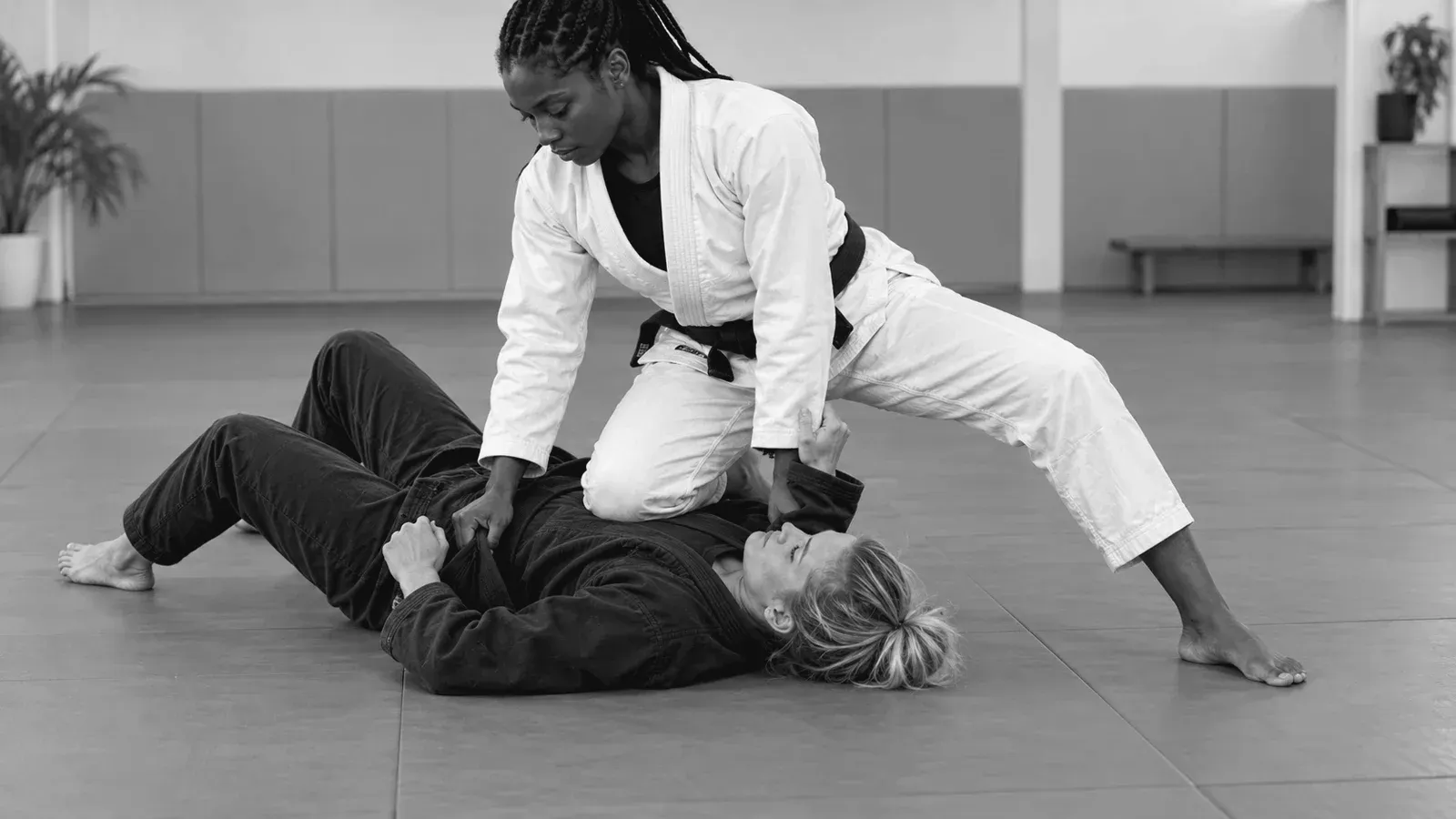
BJJ Mount Positions: Low, High, Technical and S-Mount
A practical map of five mount configurations, their control problems and reaction-based drills, with links to dedicated attacking lessons.
BJJ Terms: A Practical Glossary for Your First Months on the Mats
Brazilian Jiu Jitsu terms are the shared vocabulary for safety signals, positions, transitions, movements and submissions. This guide orders them by what a new trainee needs first and flags where gyms and rulesets use words differently.
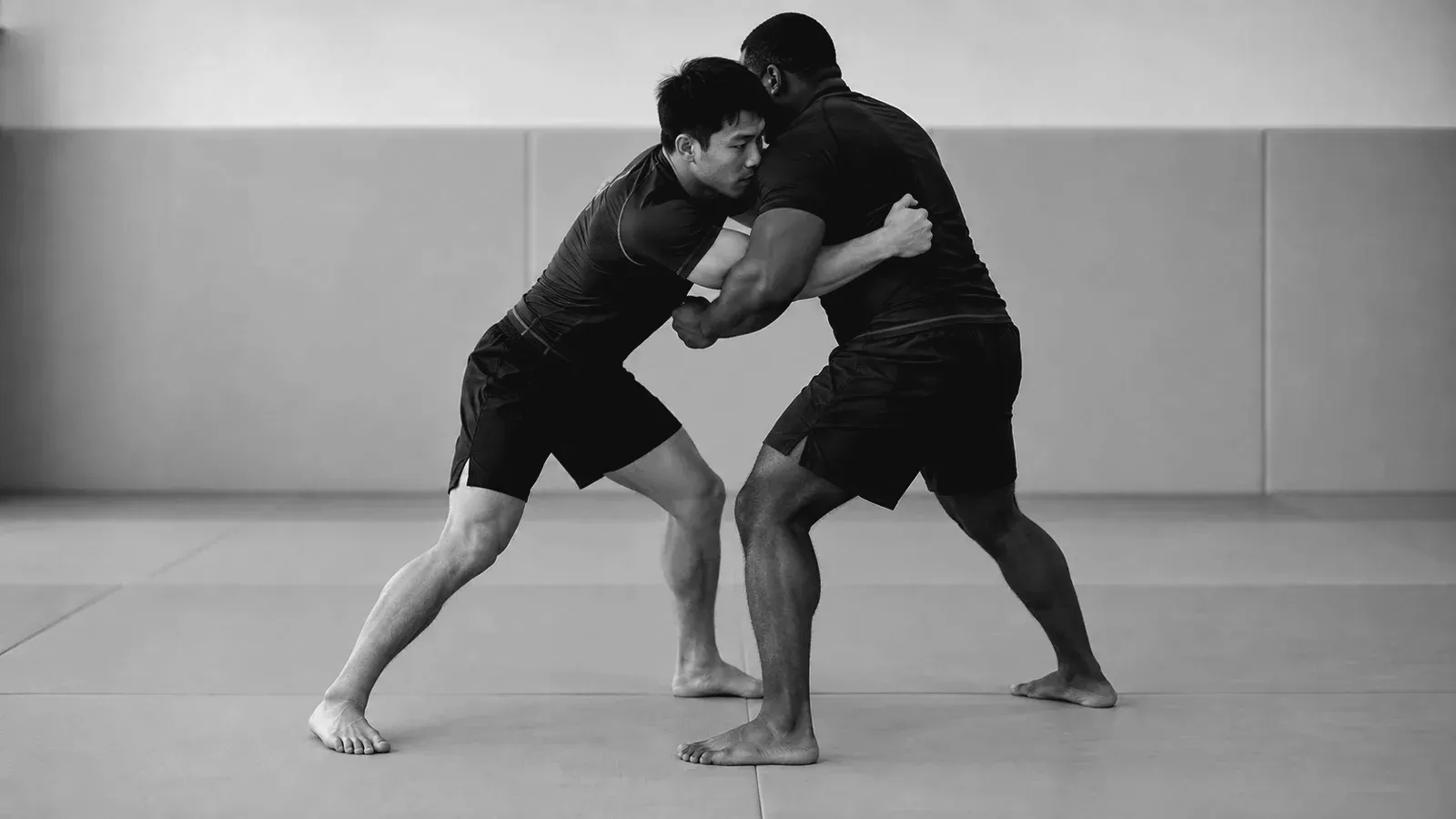
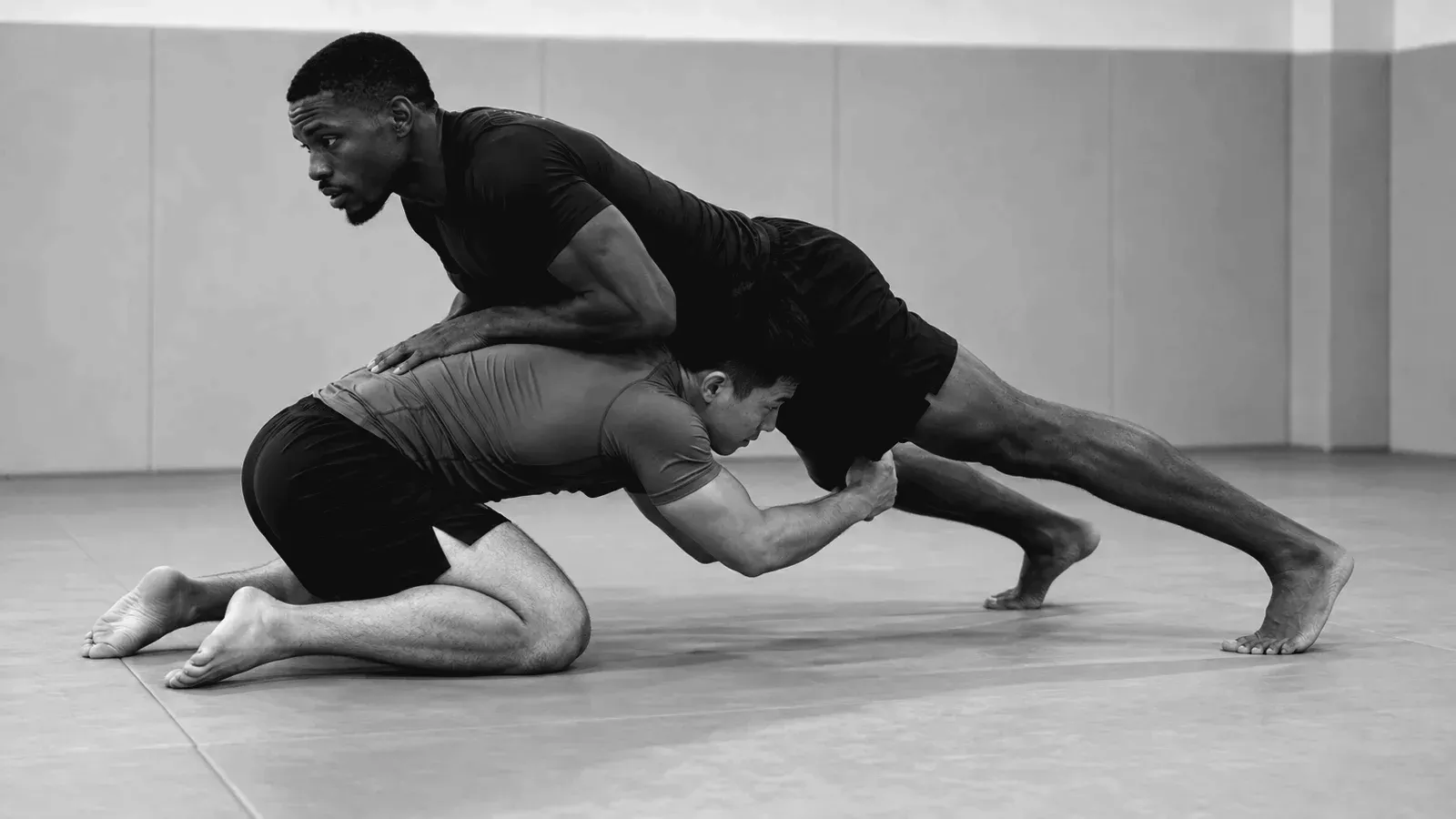
Double Leg Takedown: One Entry, a Controlled Finish and How to Practise It
The double leg takedown is a standing technique in which you change level, step between the opponent's legs, take hold behind both knees and drive them to the side so you land on top. This guide teaches one basic entry and a controlled finish, then gives partner drills, troubleshooting and a training log.
Guard Pass Drills: How to Drill Passes So They Work in Sparring
Use concrete solo movement drills and partner rounds to improve guard passing, then log the connection that needs work.
Half Guard Game: How to Build One as the Bottom Player
Connect defence, attacks and recovery from bottom half guard. Practise one underhook route, recognise the reaction and record the position you reach.
Kimura in BJJ: Grip, Guard Entry and Game Connections
Learn one clear kimura entry from closed guard, distinguish control from finishing pressure and practise a single connected transition.
Single Leg Takedown in Brazilian Jiu Jitsu: Head-Inside Entry and Finish
A practical single-leg guide with one head-inside entry, a controlled finish, gi setup considerations and a training log.
The First 10 Brazilian Jiu Jitsu Submissions You Should Learn
Recognise ten common submissions, choose two compatible attacks and practise their position-to-control-to-finish checkpoints with a coach.
Turtle in Brazilian Jiu Jitsu: Bottom Escapes and a Top Back Take
Understand early turtle escapes, a controlled back-take branch and the difference between early contact and established back control. Practise decisions and record the next position.
How to Wash a Brazilian Jiu Jitsu Gi
Wash your Brazilian Jiu Jitsu gi after each class, in cold water, without bleach, and dry it on a line rather than in a hot dryer. A new dark gi may need a first wash with white vinegar if the manufacturer recommends it.
Brazilian Jiu Jitsu Gi Pants: What They Are, When They Apply and Common Mistakes
Gi pants are the reinforced drawstring trousers that form part of the Brazilian Jiu Jitsu gi, and they matter in gi classes and gi competition but not in no-gi training. This guide covers when they apply, what the IBJJF requires of them and the mistakes people make when buying them.
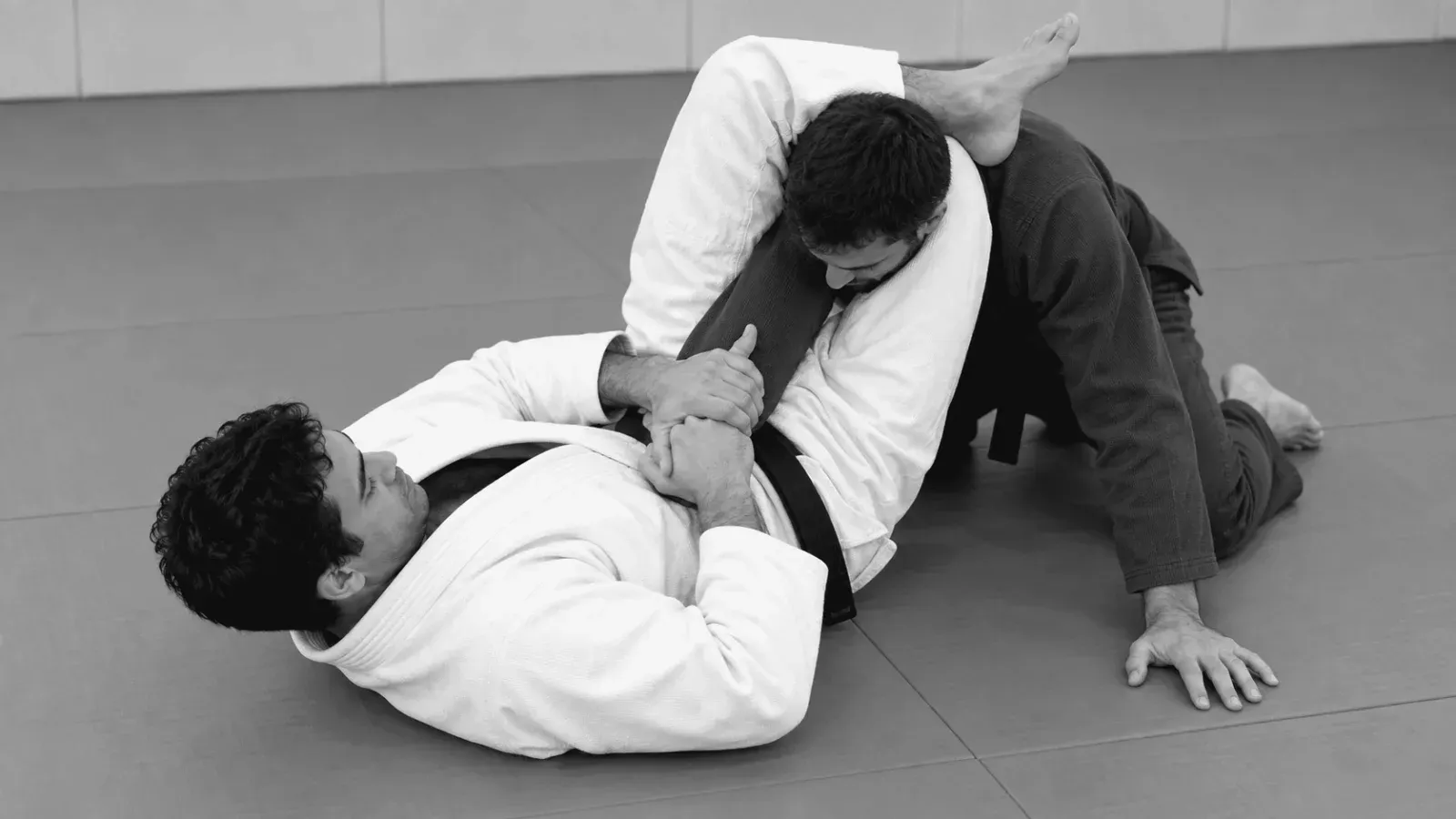
Can an Armbar Break Someone's Arm?
An armbar is a submission that attacks the elbow joint, and it can injure or break an arm if force is applied after the opponent has tapped or cannot tap. In controlled training it is applied slowly and released the moment your partner taps, which is why serious damage is avoidable.
How to get better at Brazilian Jiu Jitsu
You improve at Brazilian Jiu Jitsu by training consistently, giving each session one specific aim, drilling the problems sparring exposes, and staying healthy enough to keep turning up. This guide sets out the sequence, when it applies, and the mistakes that most often slow people down.
Is it hard to learn Brazilian Jiu Jitsu?
Brazilian Jiu Jitsu is difficult in the early months because the positions are unfamiliar and live sparring exposes every gap in your knowledge. It is not gated by size, strength or flexibility, and most of the difficulty comes from how the art is taught and practised.
What Is Stacking in Brazilian Jiu Jitsu?
Stacking is a guard pass in which the passer lifts the opponent and stacks them while inside the opponent's open guard, which can lead to a neck crank or blood choke. This guide explains where it applies, where it does not, and the common mistakes in how people understand it.
Brazilian Jiu Jitsu game planner
A Brazilian Jiu Jitsu game plan is a deliberate set of positions, sweeps and submissions you train to link together, rather than a random collection of techniques. It works best as a rough map for training and competition, not as a rigid script that ignores what your partner or opponent is actually doing.
Brazilian Jiu Jitsu Submissions From Knee on Belly
Knee on belly is a dominant ground position where a bent knee pins the opponent's torso, offering a direct route to the armbar and a compression submission when the opponent reacts by pushing or exposing their torso. More often it serves as a staging point into stronger finishing positions such as north-south or mount, where further chokes and joint locks become available.
Can an Armbar Dislocate a Shoulder?
An armbar is designed to hyperextend the elbow, which is why a tap or injury normally happens there long before the shoulder is affected. Shoulder stress becomes possible mainly when the position breaks down, such as when the trapped partner turns or resists at the wrong moment.
Can You Wear Wrestling Shoes for Brazilian Jiu Jitsu?
Wrestling shoes are not worn for Brazilian Jiu Jitsu, which is trained and competed barefoot regardless of whether you are in a gi or no-gi. Wrestling shoes belong on the wrestling mat, even when you are cross-training wrestling takedowns to bring into your Brazilian Jiu Jitsu game.