
Guide
How to Wash a Brazilian Jiu Jitsu Gi
Wash your Brazilian Jiu Jitsu gi after each class, in cold water, without bleach, and dry it on a line rather than in a hot dryer. A new dark gi may need a first wash with white vinegar if the manufacturer recommends it.
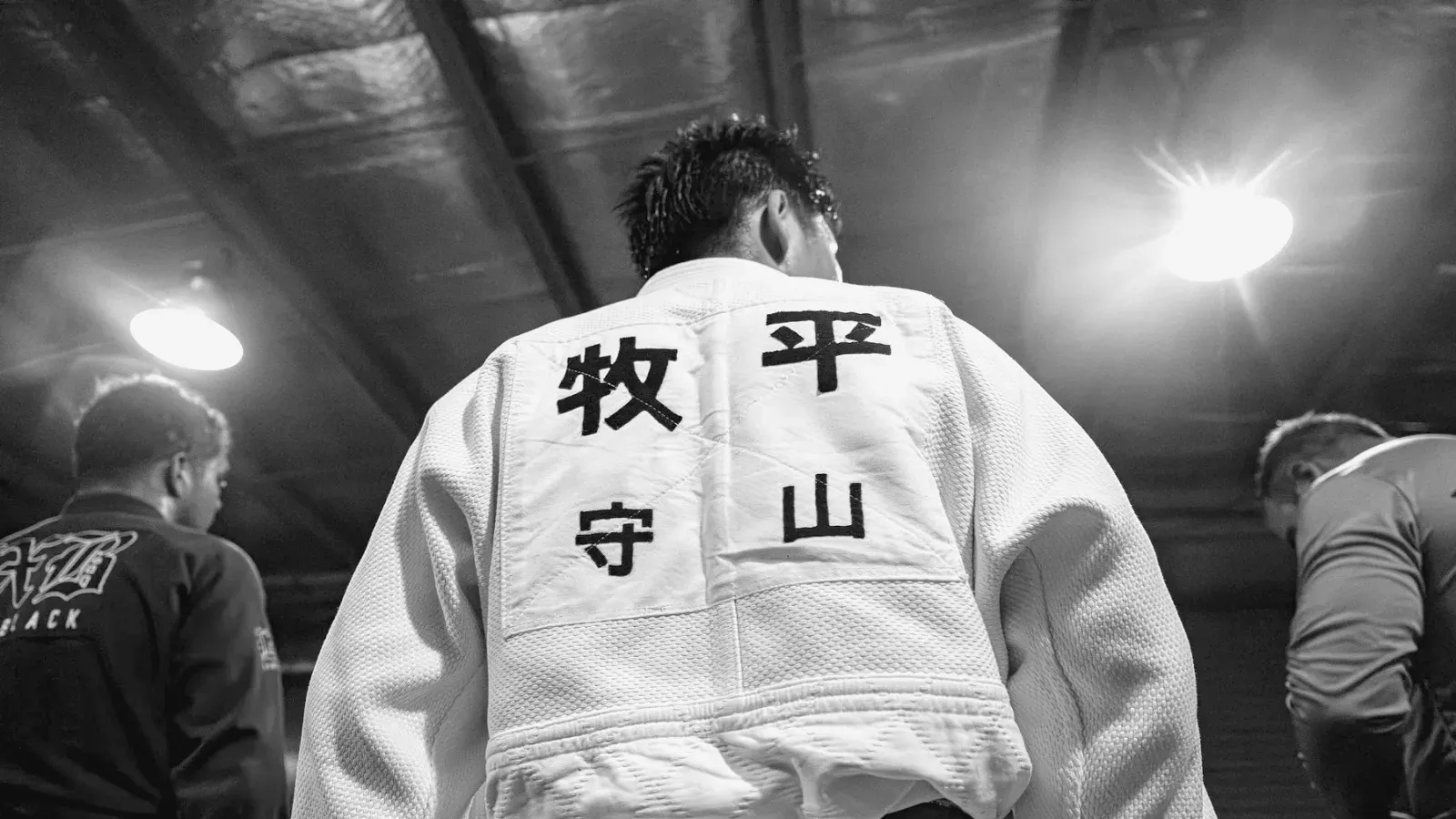
A Brazilian Jiu Jitsu gi should be washed after every class, in cold water, without bleach, and then line dried. Hot water and hot dryers shrink cotton, and bleach weakens it. Those three habits cover most of what matters.
The gi is the traditional training uniform of Brazilian Jiu Jitsu: a heavy cotton jacket, reinforced drawstring trousers and a belt that shows rank. It is heavy, it absorbs sweat, and it spends an hour in contact with other people. That is why the routine below is worth following closely.
The sequence
1. Check the label and, for a new dark gi, the first wash
Most gis sold today are made of colourfast material, meaning the dye should not run. Even so, some manufacturers recommend that a darker gi (blue, black, red and so on) is washed with 2-3 cups (500-750 mL) of white vinegar the first time it is laundered. Read the care instructions that came with your gi and follow them. The vinegar advice applies to the first wash of a dark gi, not to every wash after it.
2. Wash it after every class
Because of the nature of wrestling and grappling, and the diseases that can pass between people in close contact, the gi is typically washed after each class. Take it out of your bag as soon as you get home. A damp gi left in a closed bag stays damp, and that is the opposite of what you want.
You do not need to treat the gi as a special item. Put the jacket and trousers in the machine together with your usual detergent.
3. Use cold water
A cotton gi must be laundered in cold water to avoid shrinkage. This matters more than it might seem, because even pre-shrunk gi material tends to shrink further in hot water. A gi that has lost length in the sleeves or jacket will not fit as it did when you bought it.
Fit also matters if you compete. IBJJF rules require, among other things, that the sleeves reach the wrist with the arms extended in front of the body, and that the jacket is long enough to reach the thighs. A gi that has shrunk can fall short of those requirements.
4. Leave out the bleach
Bleaching is highly discouraged. It can weaken the fibres of the material and cause them to tear more easily. If your gi smells or looks grubby, repeat the cold wash rather than reaching for bleach.
5. Line dry, ideally in bright sunlight
Hang the gi on a line rather than putting it in a hot dryer cycle, which, like hot water, can shrink the cotton. Drying in bright sunlight is commonly suggested as a way to help remove smells from the gi, because UV light has bacteria-killing properties.
If you cannot dry it outdoors, hang it somewhere with good airflow so that it dries fully before you pack it again. Given the heavy cotton, expect it to take a while, particularly if your gi is a thick weave.
When this routine applies, and when it does not
The routine applies to a cotton gi that has been worn in training. Washing after each class is the typical practice, not an occasional extra.
The vinegar step has a narrower scope. It is a manufacturer recommendation for darker gis, and it is for the first wash. If your gi came with different instructions, the manufacturer’s instructions take priority over the general advice here.
The cold-water and line-dry advice is about cotton. Gis are made from a range of fabrics, including single weave, pearl weave, gold weave and double weave cotton, and ripstop fabrics that blend materials such as cotton, polyester and nylon. The source this guide draws on gives its shrinkage advice for cotton gis. If your gi is a different fabric, the label is your best guide.
Mistakes to avoid
Washing in hot water. It is tempting to use a hot wash because the gi has been in close contact with other people. The cost is shrinkage, even in a pre-shrunk gi. Cold water and a regular wash after each class is the approach to follow.
Using a hot dryer. A hot dryer cycle shrinks cotton in the same way hot water does. Line drying avoids it.
Using bleach. Bleach can weaken the fibres so that the gi tears more easily. A gi is under heavy strain from grips, so you do not want to start with weakened fabric.
Repeating the vinegar wash as a habit. The recommendation concerns the first laundering of a darker gi. It is not a standing part of the routine.
Leaving the gi in your bag. Wash it when you get home. The established practice is to wash after every class, and a gi left in a bag between sessions is a gi that is not being washed after each class.
Ignoring fit after washing. Check the gi after it has dried. If it has shrunk, you will want to know before a competition, when sleeve and jacket length are checked against IBJJF rules, not on the day itself.