
Guide
Can You Wear Wrestling Shoes for Brazilian Jiu Jitsu?
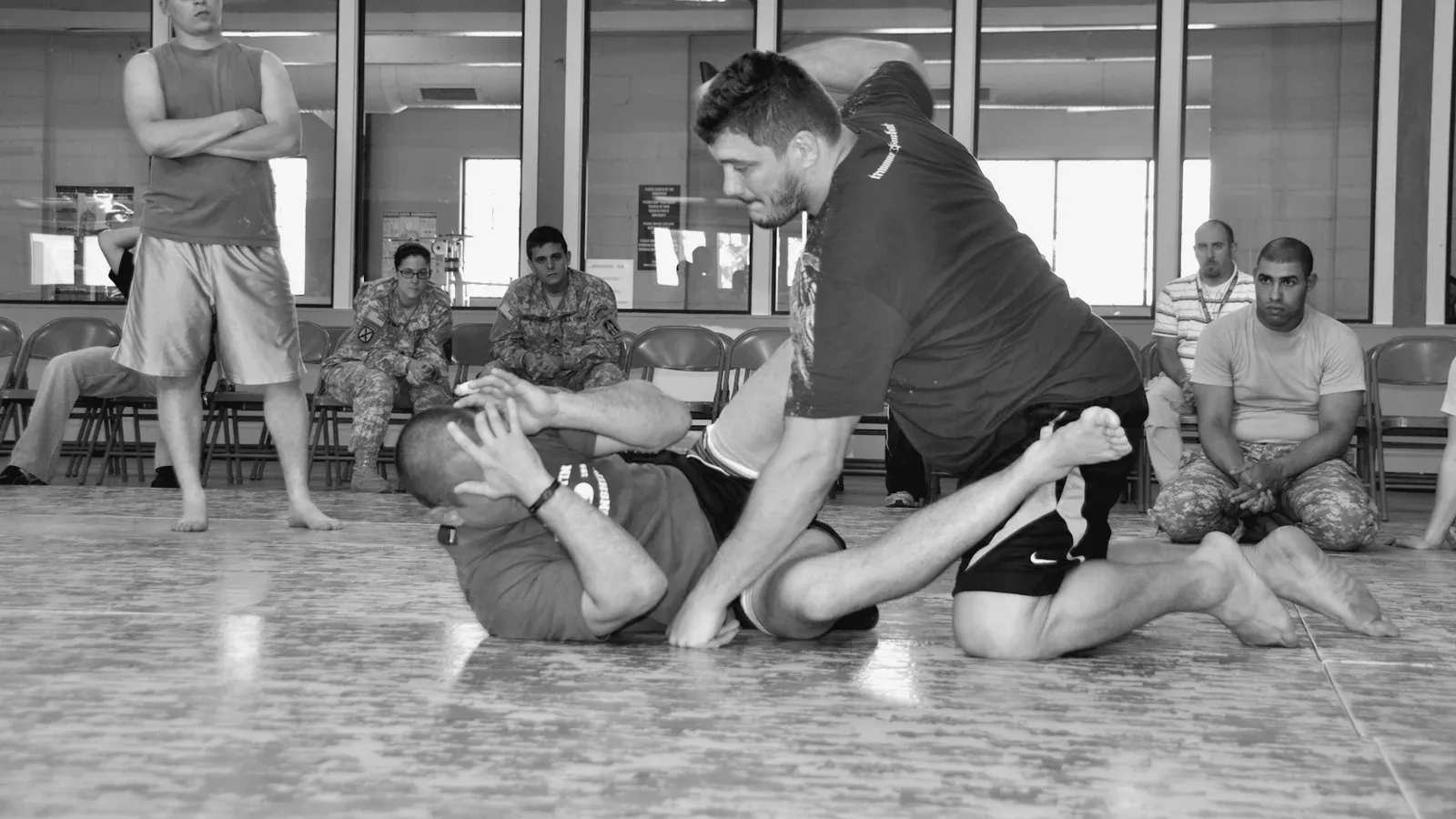
Wrestling shoes are not worn for Brazilian Jiu Jitsu, which is trained and competed barefoot regardless of whether you are in a gi or no-gi. Wrestling shoes belong on the wrestling mat, even when you are cross-training wrestling takedowns to bring into your Brazilian Jiu Jitsu game.
Can you wear wrestling shoes for Brazilian Jiu Jitsu?
No. Wrestling shoes have no place on the Brazilian Jiu Jitsu mat. Brazilian Jiu Jitsu is a grappling martial art built on taking an opponent to the ground, gaining a dominant position, and forcing a submission through a joint lock or a chokehold. It is trained and competed barefoot, whether you are wearing the jiu-jitsu gi or training no-gi. Footwear of any kind, wrestling shoes included, is not part of the kit. If you are heading to your first Brazilian Jiu Jitsu class, footwear is one item you can cross off the list, because you will not be wearing any.
Why Brazilian Jiu Jitsu is trained barefoot
Brazilian Jiu Jitsu is similar to wrestling in that both are grappling arts rather than striking arts, but the two spend their time differently. Wrestling is mostly contested standing and in the clinch, with the aim of scoring a takedown. Brazilian Jiu Jitsu treats the takedown as an entry point, not the end goal. Most of a Brazilian Jiu Jitsu match or training round happens on the ground, where your legs and feet are doing constant work: hooking in guard, framing against a partner’s hips, and controlling their legs during leg locks.
Brazilian Jiu Jitsu allows heel hooks and knee-reaping, submissions and positions that are prohibited in judo, alongside takedowns borrowed from wrestling, sambo, and other grappling arts. Applying and defending these safely depends on direct, bare-skin control of a partner’s ankle, foot, and leg. A shoe between you and that contact would blunt your grip and control at exactly the point where precision matters for your partner’s safety.
Traditionally, wearing the jiu-jitsu gi while training is a requirement for grading in Brazilian Jiu Jitsu, and that gi convention extends to bare feet as the standard way the sport is practiced, in the gi or out of it.
Where wrestling shoes do fit into your training
Wrestling shoes are for the wrestling mat, not the Brazilian Jiu Jitsu mat, even if your reason for wearing them is to improve your Brazilian Jiu Jitsu. Use of holds and takedowns from wrestling is common in no-gi Brazilian Jiu Jitsu, so cross-training in a wrestling room to sharpen your entries is a reasonable way to build that side of your game. If you do that, the wrestling shoes stay in the wrestling session. When you step onto the Brazilian Jiu Jitsu mat afterward to drill or spar those same takedowns, you do it barefoot, because the exchange is going to the ground within seconds and the shoes serve no further purpose there. For a structured look at building this side of your game, see how to improve wrestling for Brazilian Jiu Jitsu, and for an example of a takedown that sits at the boundary between the two arts, see the straight arm bar takedown.
It is also worth knowing that Brazilian Jiu Jitsu has takedown options that wrestling does not use at all, most notably pulling guard, where you sit or drop to the ground on your own terms rather than driving through a shot for a takedown. That single difference is a reminder that Brazilian Jiu Jitsu absorbed wrestling’s takedowns into its own game without adopting wrestling’s footwear or its standing-focused ruleset.
What people get wrong about footwear and Brazilian Jiu Jitsu
The most common mistake is assuming that because wrestling takedowns are used in Brazilian Jiu Jitsu, wrestling shoes should come with them. Traction that helps you finish a shot on a wrestling mat is irrelevant once the exchange hits the ground, which is where almost all of a Brazilian Jiu Jitsu round is spent.
The second mistake is assuming that no-gi Brazilian Jiu Jitsu, which drops the traditional gi jacket and trousers in favour of shorts and a rash guard, also relaxes the footwear convention. It does not. Going gi or no-gi changes what you can grip on your opponent, not whether you wear shoes. If you want the fuller picture of how gi and no-gi differ, is gi or no-gi more realistic covers that comparison directly.
The third mistake is treating wrestling and Brazilian Jiu Jitsu as close enough in kit that habits transfer directly between them. They share a grappling foundation, and Brazilian Jiu Jitsu has clearly borrowed technique from wrestling, but the two arts differ enough in where the fight takes place that wrestling shoes, useful on a wrestling mat, are simply not part of how Brazilian Jiu Jitsu is trained or competed.