
Guide
Best Brazilian Jiu Jitsu Gi in Australia
There is no single best Brazilian Jiu Jitsu gi for Australia; the best one is the gi that fits you, suits your training climate and meets the rules of any competition you enter. This guide explains when that question applies, when it does not, and the mistakes buyers most often make.
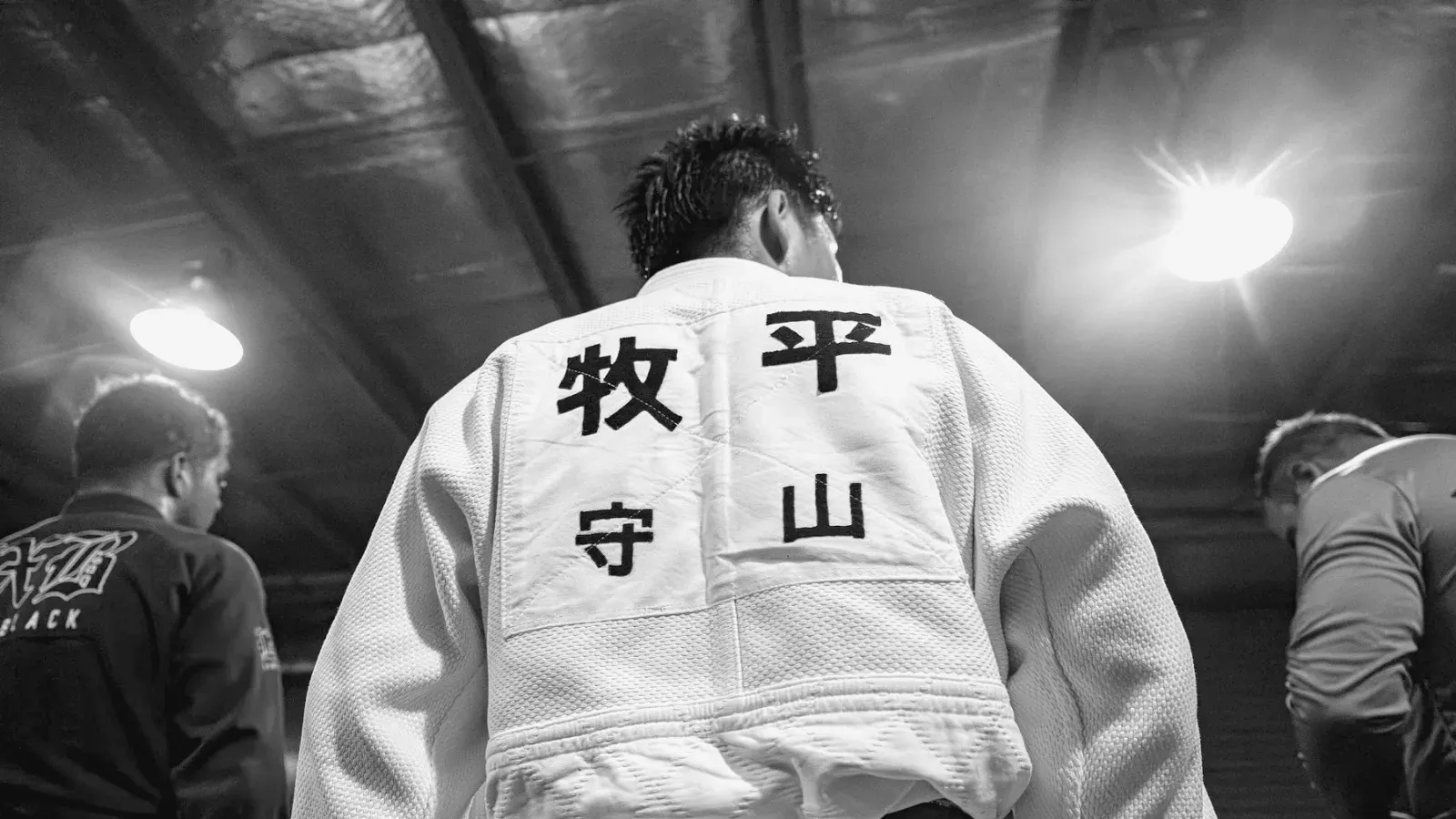
A ranked list of the best gi in Australia would be false precision. No verified test or survey compares gis sold there, so any single winner would be opinion presented as fact. What you can do is decide which kind of gi suits your situation, then buy on fit and construction.
When “best gi” is the right question
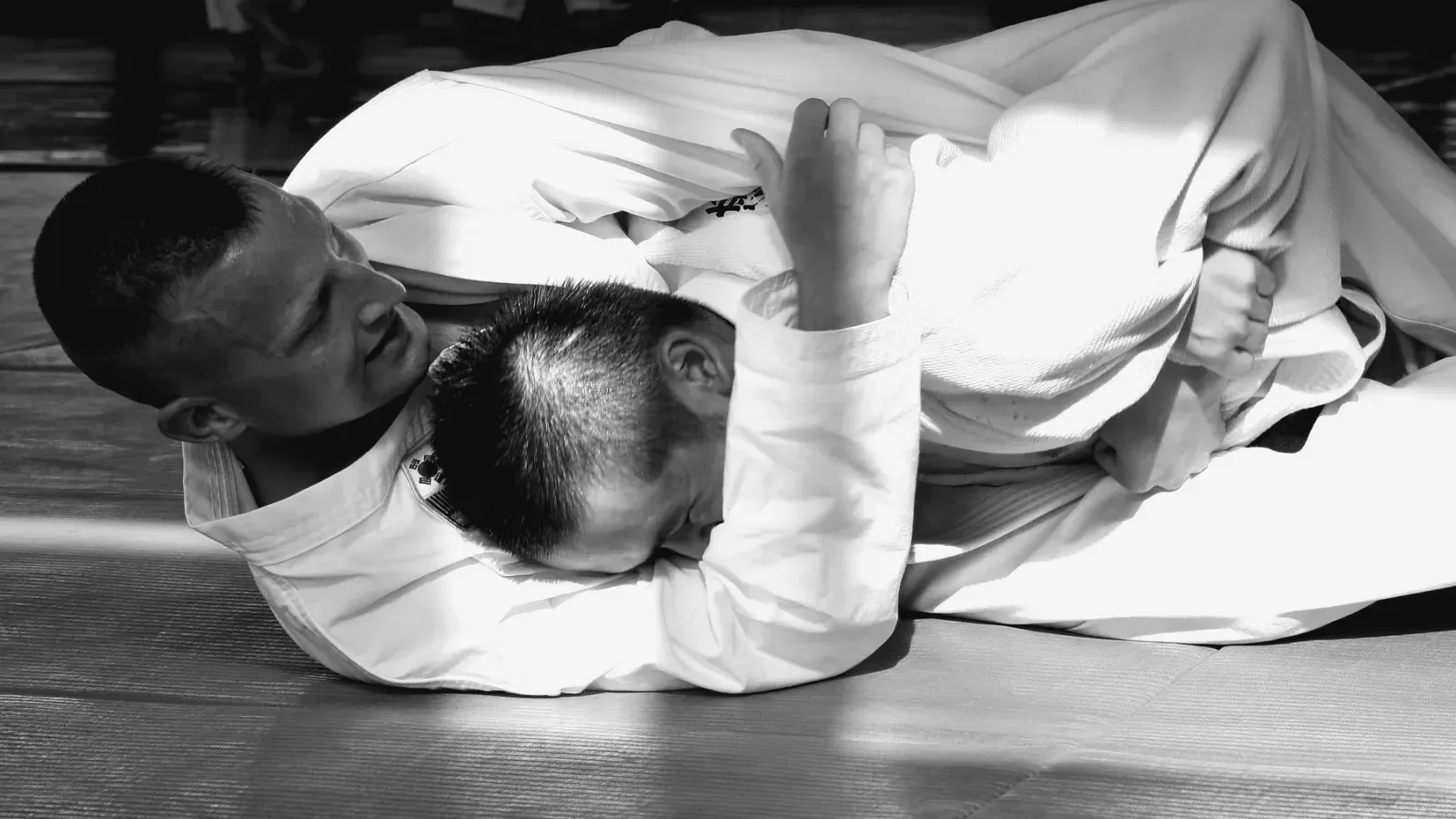
The question applies when you train in gi classes. A gi is the jacket, trousers and belt worn in the gi version of the sport, and your training partners grip the fabric as part of the game. That makes the garment a working tool, not just clothing.
It also applies when you are about to compete. Competition gi rules are set by the organiser, such as the International Brazilian Jiu-Jitsu Federation (IBJJF), which runs the World IBJJF Jiu-Jitsu Championship as its gi world title event, with a separate No-Gi Championship. Before you buy for competition, read the current rulebook of the organisation running your event. Do not rely on a shop listing or a teammate’s memory.
When it does not apply
If your classes are no-gi, you do not need a gi at all. No-gi training uses shorts and a fitted top instead, and the gear questions are different. The guide on gi versus no-gi covers what changes between the two, and the guide to no-gi gear covers what to buy instead.
It also does not apply to the first few weeks if your academy lends gis or lets beginners wear plain judo or karate kit. Ask your instructor before spending anything. Some academies also require their own patches or a particular colour, so a purchase made before that conversation can be wasted.
What to look at instead of a brand ranking
The useful comparison is between features, not names. Four matter most.
Fit after washing
Cotton gis can change size when washed, so a gi that fits in the shop may not fit later. Check the maker’s size chart and care instructions, and buy with that in mind. Sleeves and trouser legs that are too long give your partner extra fabric to grip. Ones that are too short may not be accepted at a competition that checks gi dimensions.
Fabric weight and weave
A lighter gi is cooler and dries faster. A heavier gi is usually more durable and harder to grip, but it is hotter and slower to dry. Australia covers a wide range of climates, so this trade-off depends on where and when you train. If your academy is warm, a lighter gi is a sensible priority. If you train in cooler months or a cooler region, weight matters less.
Construction
Look at stitching on the lapel, the collar and the seams of the trousers, since these take the most strain from gripping. A gi that comes apart at the seams in a few months is poor value at any price. The separate guide to gi pants covers the trousers in more detail.
Where you buy
Buying from an Australian retailer usually makes returns and exchanges simpler if the fit is wrong. Buying from overseas may widen your choice, but you should check delivery time, return terms and any import charges before ordering. For a first gi, the ability to try it on or exchange it is worth more than a small saving.
What people get wrong
Assuming a team or champion association means quality
Many teams and champions have their names attached to gear. A team’s competition record tells you about its athletes, not about how a particular gi is stitched or how it shrinks. Judge the garment, not the badge on it.
Buying the biggest size to allow for shrinkage
Oversizing in the hope that the gi will shrink to fit often leaves you with a gi that is loose and stays loose. Use the size chart and the care instructions, and wash it as directed.
Assuming one gi suits training and competition
A gi that is fine for class may not meet the rules of a specific event. If you plan to compete, check the rules of the organiser first, then buy. Do not assume that being sold as a Brazilian Jiu Jitsu gi means it is accepted everywhere.
Treating the gi as the thing that improves your game
A better gi will not fix your guard or your passing. The garment affects comfort, durability and how easily a partner grips you. If you are chasing a specific skill, such as takedowns, the time is better spent on a takedown instructional than on a second gi.
Buying several gis at once
Since fit can change with washing and your preferences will change as you train, buy one gi first. Use it for a few months, then decide what you would change about the next one.
A practical way to decide
Start with the question of whether your classes and any events are gi or no-gi. Ask your instructor about academy requirements. Read the rulebook of any organisation whose events you plan to enter. Then choose fabric weight for your climate, confirm the size chart and care instructions, and check the retailer’s return terms.
If you are comparing options across countries, the guide to the best gi in Canada follows the same reasoning for a different market.