
Guide
Best Brazilian Jiu Jitsu gi in Canada
No single Brazilian Jiu Jitsu gi is best for everyone in Canada; the best one for you is the one that fits your body, suits your training and meets the rules of any competition you enter. This guide explains when that reasoning applies, when a gi is the wrong purchase, and the mistakes buyers most often make.
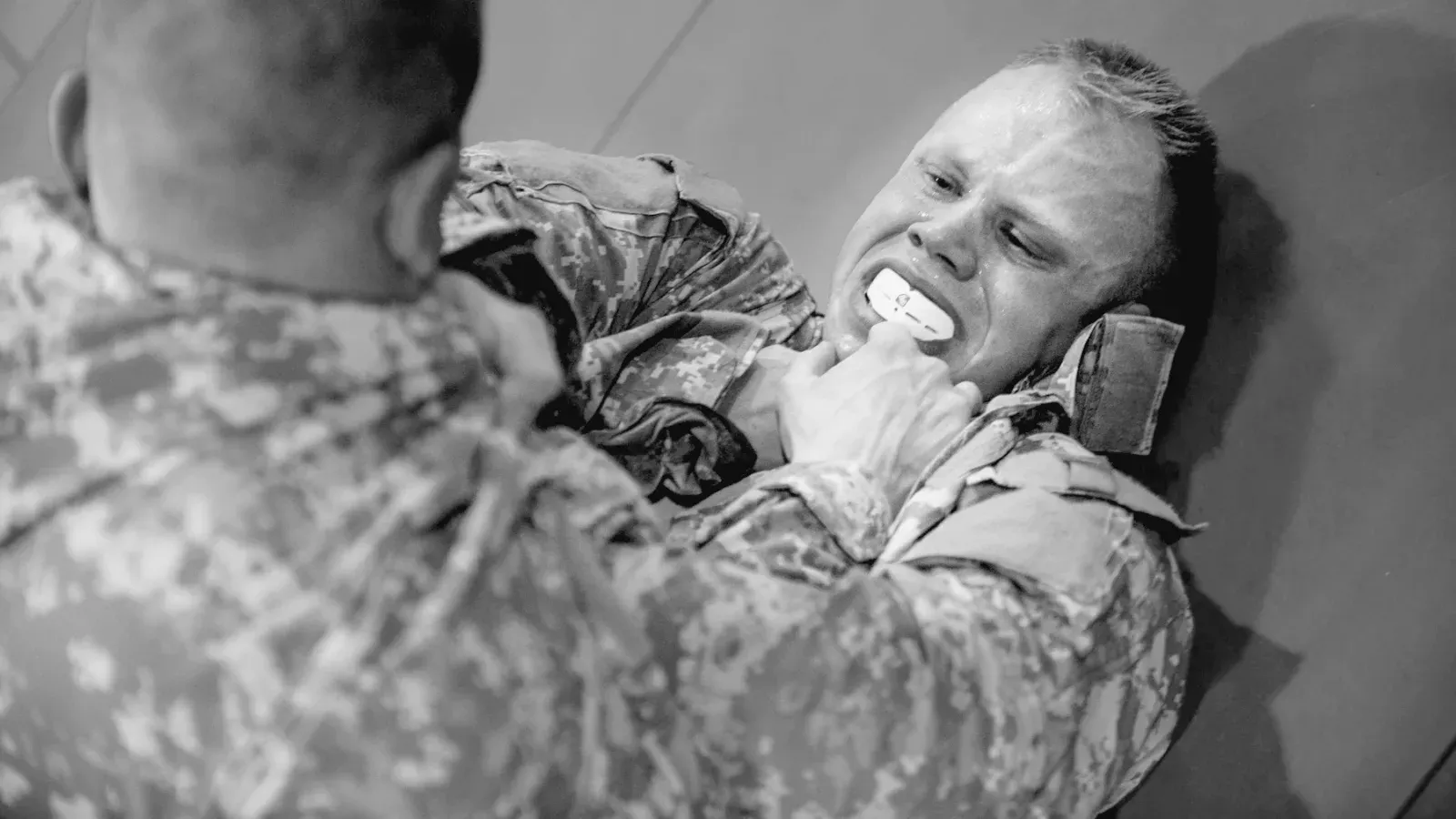
The best Brazilian Jiu Jitsu gi in Canada is not a particular brand or model. It is the gi that fits your body after washing, holds up to the amount you train, and complies with the uniform rules of the organisation running any tournament you enter. Where you live in Canada changes how you buy it, not what makes it good.
A gi is the jacket, trousers and belt worn for training with grips on the clothing. If you are unsure whether you need one at all, read what actually changes between gi and no-gi first.
When choosing a gi applies
The question of which gi to buy applies if you train, or are about to train, in a class where the gi is worn. That covers beginners buying a first uniform, regular students replacing a worn one, and competitors who need a second, compliant set.
It also applies when your gym has its own requirements. Some academies ask for a plain colour, a club patch or a specific supplier.
When it does not apply
If your classes are no-gi, a gi is not what you need. You will want shorts and a rash guard instead, and the guide to no-gi gear covers that.
It also does not apply if you are still deciding whether to start. Most academies will let you try a class before you commit, and many have loan or spare uniforms for a first session. Ask the gym before you buy.
Competition is a separate case. Different organisations set their own uniform rules, and those rules can differ from one another and change over time. As one example from a related sport, the grappling body formerly called FILA, now United World Wrestling, ran gi divisions in which the gi was similar to a judogi but often had tighter cuffs on the jacket and trousers. That is a reminder that tournament gis can be regulated more tightly than training gis. Read the current rulebook of the specific organisation and event before you buy a gi for competition.
What to look at when choosing
Fit
Fit matters more than anything else on a gi. A jacket that is too loose gives your opponent more fabric to grip. Sleeves and trousers that are too long get in the way of your own movement. Cotton gis commonly shrink after washing, so check the maker’s size chart and care instructions, and find out whether the sizes account for shrinkage.
Buying online is convenient in a country as large as Canada, but you cannot try the gi on. Choose a retailer with a clear returns policy, and check who pays for return shipping before you order.
Fabric and weave
The weave is how the jacket fabric is woven, and it decides how thick, heavy and hard-wearing the gi is. A heavier weave usually lasts longer and is harder to grip, but it is hotter to train in and slower to dry. A lighter weave is cooler and packs smaller for travel, but tends to wear faster. Neither is better in general; it depends on how often you train and how you like to move.
Climate is a real consideration in Canada. If your gym is cold in winter and you carry a wet gi in a bag, drying time and mildew matter more than they might elsewhere. Wash the gi after every session and let it dry fully.
Price and durability
A more expensive gi is not automatically a better one, and a cheap one is not automatically a poor one. As a beginner you are likely to change size, gym or preference within the first year, so a modest first gi is a sensible choice. Spend more once you know your size and how hard you train.
Cost of buying in Canada
If you order from outside the country, the price you see may not be the price you pay. Duties, taxes and shipping can be added at the border or at delivery, and delivery can take longer to remote areas. Compare the total landed price, not the sticker price, and check the retailer’s stated policy on these charges.
What people get wrong
Believing there is a single best gi
Searching for the best gi assumes one answer exists. Bodies, budgets and training habits differ too much for that. A ranking that ignores your size and your gym’s rules is not answering your question.
Buying for looks or for a name
Colour, patches and branding are cosmetic. They do nothing for how the gi performs on the mat. If you want the look, choose it after fit and fabric are settled, and confirm that your gym or competition allows it.
Ignoring shrinkage
Many buyers pick the size that fits perfectly out of the bag and end up with a gi that is too small after the first wash. Read the care guidance and size accordingly, or ask other students at your gym what they found with the same maker.
Buying a competition gi for every class
A gi that passes a tournament check is not necessarily the best one for daily training. Competition rules limit what is allowed, not what is comfortable. Many people keep a hard-wearing gi for classes and buy a compliant one only when they enter an event.
Skipping the rulebook
Buying a gi for competition and only then checking the rules is a common way to end up with a gi you cannot use on the day. Check first, and check the rules for the specific event, not just for the organisation in general.
A practical way to decide
Ask your instructor what the gym requires. Ask training partners of a similar build which sizes worked for them after washing. Then pick a retailer with a returns policy you can live with, and buy one gi in a plain colour. Train in it for a few months before you decide whether a second, different gi is worth the money.