
Guide
Why tracking your training changes what you learn
Memory is a bad witness to a training session. Writing down what happened turns a vague sense of how it went into something you can act on — and usually contradicts what you thought.
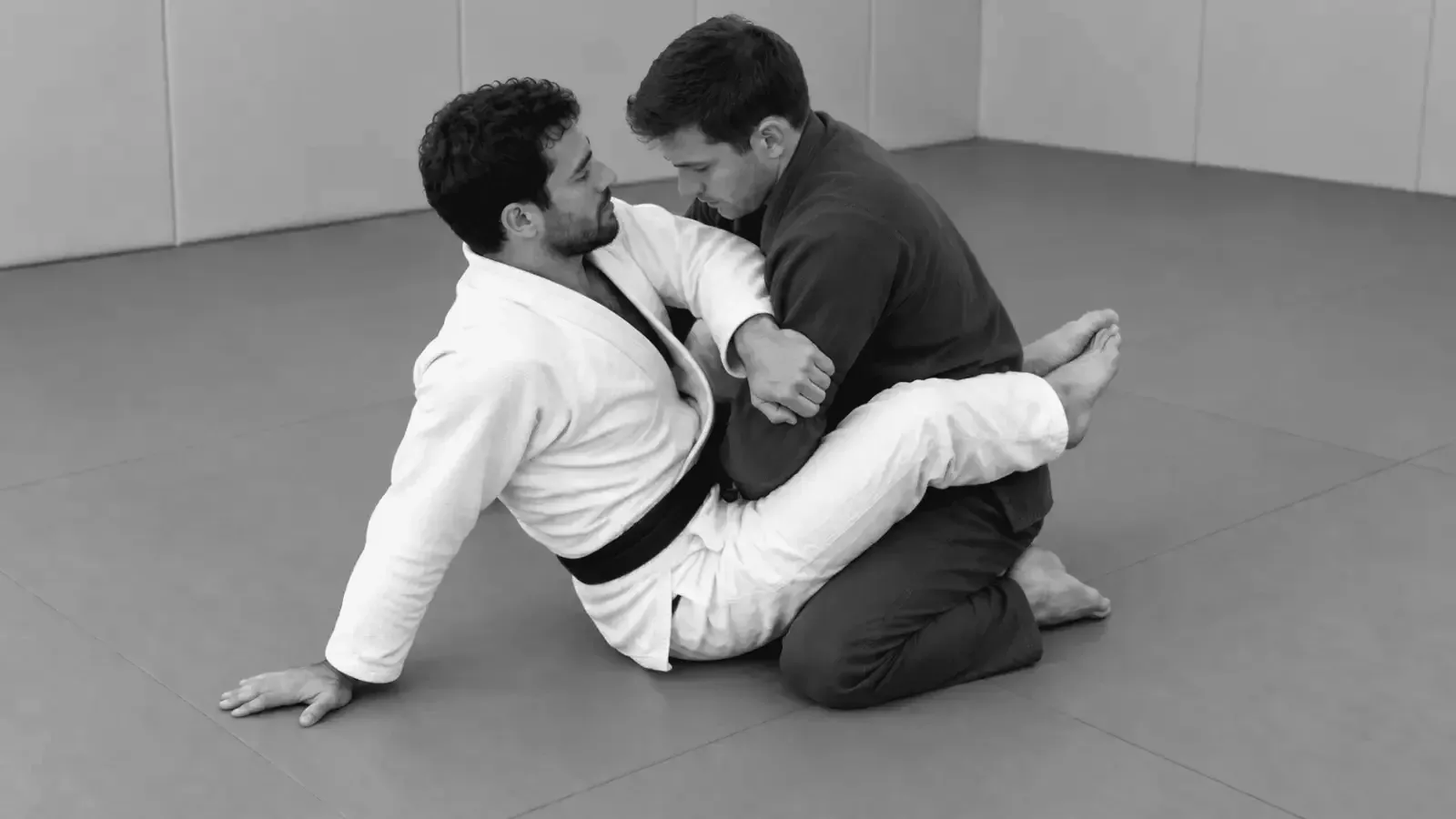
Ask somebody how their Brazilian Jiu Jitsu training went and you will get an answer about the last round. Not the session — the last round, and usually its last two minutes. That is not a failure of attention. It is how memory works under fatigue, and it is why the technique somebody chooses to drill next week is so often the one that went wrong most recently rather than the one that goes wrong most often.
Recency is not frequency
The gap between those two is the whole problem. If you got armbarred once tonight, in the final round, by the best person in the room, that is the thing you will think about on the drive home. If you have been swept from closed guard eleven times in the past month by four different people, you will not think about it at all, because no single instance of it was memorable.
The eleven is the one worth training. Nothing about the way the evening felt will tell you that.
What writing it down actually does
Logging a session is not about record-keeping for its own sake, and it is definitely not about turning training into homework. It does one useful thing: it separates what happened from what you remember. Those two turn out to differ more than most people expect, and the difference is where the useful information is.
A log that records positions and outcomes — where a round started, what you tried, what worked, what got done to you — accumulates into something a single session cannot show you:
- which positions you actually spend your time in, as opposed to the ones you think of as “your game”;
- which techniques you attempt often and finish rarely, which is a different problem from a technique you never attempt;
- which position you keep ending up in defensively, which is usually the gap worth closing;
- whether last month’s fix held, or whether it quietly stopped being applied.
None of that requires a lot of writing. It requires the writing to happen close enough to the session that it is still true.
The point is the next decision, not the archive
There is a version of this that goes wrong, and it is worth naming: tracking becomes its own hobby, the log gets elaborate, and nothing about training changes. A training log is only worth keeping if it answers a question you were going to have to answer anyway — what should I work on next?
That question has a bad default answer. Left alone, most people answer it with whatever they saw most recently, or whatever their instructor happened to teach that week, or whatever looked good on a video. Those are not wrong, exactly. They are just unrelated to the specific gaps in the specific game the person has actually built.
A month of honest logs answers it differently, and more usefully: here is the position you lose from most, here is the escape you attempt and miss, here is the sweep that works when you remember to set it up. Work on those.
Where this fits
This is the idea BJJ Game Builder is built around, and it is why the app asks what happened in a session rather than asking you to tick off techniques from a syllabus. A syllabus describes a sport. A log describes your game — and those are the same thing only for people who have not trained long enough to develop preferences.
The techniques and positions on this site are the same map the app uses. It is worth browsing, but it is not a curriculum to work through in order. The order comes from what your own training says you need.